

Blog
Standard Curb Height in the US: 4 to 9 Inches (2026)
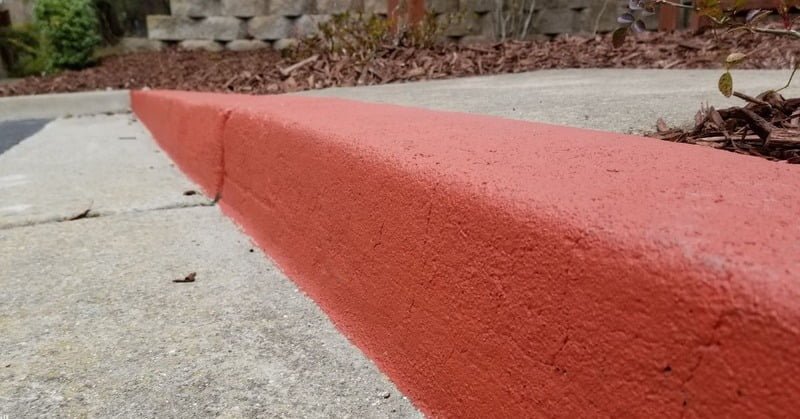
The standard curb height in the US is 6 inches, though the full range runs from 4 to 9 inches depending on the street type, municipality, and curb design. If you’ve ever scraped your bumper pulling into a driveway or felt your tire thud against a high parking lot curb, curb height is probably why.
This guide covers every dimension you need to know — by curb type, by city, and by application — plus what those numbers mean for your car.
Curb Heights by Type
Not all curbs are built the same. The types of curbs you’ll encounter vary significantly in height based on their purpose. Barrier curbs are built to stop vehicles; mountable curbs are designed to be driven over. Here’s how the heights break down:
| Curb Type | Height Range | Common Locations |
|---|---|---|
| Barrier / Vertical | 6–10 inches | Urban streets, arterial roads, highways |
| Mountable / Rolled | 4–6 inches | Residential areas, parking lots, low-speed roads |
| Sloped / Curb and Gutter | 4–6 inches | Suburban streets, newer residential developments |
| Mow Strip | 2–4 inches | Landscaped medians, lawn edges |
| Curb and Gutter (combined) | 6–8 inches | Standard city streets, commercial corridors |
Barrier curbs are the most common in dense urban environments because their near-vertical face does a better job of deflecting vehicle tires. Mountable curbs have a gentler slope — intentionally designed so vehicles can cross them at low speed without damage.
Curb Heights by Application
Beyond curb type, the street’s purpose drives the height specification. A highway needs taller containment than a residential cul-de-sac. Municipal engineers select heights based on expected traffic speed, pedestrian volume, and drainage requirements.
| Application | Typical Height | Notes |
|---|---|---|
| Residential streets | 6–7 inches | Most common standard; balances containment with accessibility |
| Commercial / arterial roads | 6–10 inches | Higher curbs manage faster traffic and heavier vehicles |
| Highways | 8–10 inches | Maximum containment; pedestrian crossings uncommon |
| Parking lots | 4–6 inches | Often mountable or rolled to allow slow vehicle crossing |
| Medians and traffic islands | 6 inches | Standard in most city codes, including LA’s engineering manual |
How to Measure Your Curb Height
If you want to know the exact curb height at your driveway or a specific location — say, to figure out whether you need a curb ramp — measuring it yourself takes about 30 seconds.
- Stand a tape measure on the road surface at the base of the curb face, as close to the curb as possible without it angling.
- Extend the tape vertically up the face of the curb to the top edge (where the curb meets the sidewalk or gutter pan).
- Read the measurement. This is the exposed curb height — the number that matters for vehicle clearance and ramp planning.
One tip: measure at the point where your tires actually contact the curb when pulling in, not just anywhere along the curb face. Height can vary a few inches from one section to the next, especially on older streets where the pavement has settled.
Also worth noting: the curb face height is the exposed measurement above the roadway surface. The total curb depth — including the buried portion below grade — is typically around 16 inches. That buried section provides stability and anchors the curb against frost heaving and vehicle impact. You’re only measuring the part above ground.
Curb Heights by City
The federal government sets guidelines, but individual cities control their own standards through local engineering manuals. The result is real variation across the country.
Los Angeles
The LA City Engineering Manual specifies 8 inches as the standard for city streets, with 6 inches accepted for residential and hillside areas. Medians and traffic islands are set at 6 inches. The manual sets a hard minimum of 5 inches — anything shorter is not considered an effective vehicle barrier — and a maximum of 9 inches. Curbs taller than 8 inches are noted as difficult for pedestrians to cross and may interfere with car doors.
New York City
NYC streets predominantly use barrier-type curbs, with exposed heights typically running 6 to 8 inches. The dense urban environment and high pedestrian volumes favor taller curbs for containment, particularly along commercial corridors.
Chicago
Chicago generally follows the 6-inch residential standard, with higher curbs on major arterial streets. Older neighborhoods may have curbs that have shifted or settled over time, producing heights that don’t match any official specification.
The Takeaway
Municipal curb standards are public documents. If you need to know the exact specification for your city, check your local public works or transportation department website, or search for “[city name] standard plans curb detail.” Most cities publish their engineering drawings as downloadable PDFs. You’re looking for a drawing labeled something like “Type A Curb” or “Standard Curb and Gutter Detail.”
Why 6 Inches Is the Most Common Standard
Six inches became the dominant curb height because it threads the needle between several competing demands.
Vehicle Containment
A 6-inch vertical face is enough to deflect a vehicle tire during a low-speed incursion, keeping cars from rolling onto sidewalks. Below 4 to 5 inches, curbs lose meaningful containment value — they become more of a visual guide than a physical barrier.
Pedestrian Safety and Accessibility
Six inches is still low enough that most pedestrians can step over a curb in a pinch. Once curbs exceed 8 inches, crossing difficulty increases noticeably — particularly for older adults, children, and people using mobility devices. The LA engineering manual explicitly flags this threshold.
Drainage
The curb height determines how much water can pond in the gutter before overflowing. Six inches provides a reasonable channel capacity for stormwater without creating a flood risk in the travel lane during heavy rain events.
Door Clearance
Curbs taller than 6 inches can begin to interfere with car door opening when a vehicle is parked close to the curb face. Curbs above 8 inches make this problem more pronounced — the curb face can physically block the door from swinging open past the roadway edge. Six inches avoids the issue for the vast majority of production vehicles, which is one more reason the 6-inch standard has persisted across decades of urban design.
How Curb Height Affects Your Car
This is where curb height stops being an engineering abstraction and starts costing you money.
Bumper and Front Fascia Scraping
The most common damage happens when pulling into a driveway with a steep curb transition. Low-clearance vehicles — sports cars, sedans, and many modern SUVs with aggressive body styling — hit the curb face with their front bumper or lower fascia. Even a 6-inch curb can cause scraping the bottom of your car on a steep angle of approach.
Undercarriage Damage
If the front bumper clears the curb but the car drops sharply into the driveway, the undercarriage takes the hit. Oil pans, transmission pans, and exhaust components are all vulnerable. This is especially common when car bottoming out happens repeatedly at the same driveway entry point.
Tire Sidewall Damage
Parking too close to a high curb — or misjudging the curb edge and rolling over it at an angle — can scuff or cut tire sidewalls. Sidewall damage is not repairable and often requires full tire replacement. High curbs in parking garages and tight urban spaces make this more likely.
The Height Threshold That Causes the Most Problems
Curbs above 6 inches cause disproportionately more vehicle damage, particularly at driveways. If your driveway curb is too high for your vehicle’s clearance, the angle of attack matters just as much as the absolute height — a steep 5-inch curb can do more damage than a gradual 7-inch transition.
The geometry here is straightforward: when your front wheels drop off a tall curb face at a steep angle, the vehicle’s nose pitches down sharply. The steeper the entry angle and the lower your car’s front overhang, the more contact you get. High-performance vehicles, full-size trucks with lifted suspensions (approaching from the wrong angle), and any car with aftermarket body kits are all at elevated risk. The solution isn’t always a shorter curb — it’s a better transition.
ADA Curb Ramp Requirements
Wherever a curb meets a pedestrian path, the Americans with Disabilities Act requires a curb ramp to provide an accessible transition. The US Access Board’s ADA standards specify the key parameters:
- Maximum running slope: 1:12 — for every inch of height, the ramp must run at least 12 inches horizontally.
- Maximum lip at the bottom: 0.5 inches — the transition from ramp to road surface must be flush or within half an inch.
- Detectable warning surfaces required — the truncated dome surface (those bumpy yellow panels) must be installed at the base of all curb ramps at public streets.
- Minimum width: 36 inches — curb ramps must be wide enough for wheelchair passage.
These requirements apply to public rights-of-way. Private driveways are not subject to ADA curb ramp mandates, but the same principles apply when designing a ramp that works for vehicles with low ground clearance.
Frequently Asked Questions
How tall is a curb in the US?
Most curbs in the US are 6 inches tall, which is the most widely adopted standard for residential and commercial streets. The full range you’ll encounter runs from 4 inches (low mountable curbs in parking lots) to 9 inches (maximum specified in many municipal codes, including Los Angeles). Anything above 9 inches is rare and generally outside standard engineering specifications.
What is the standard height of a curb?
The standard curb height is 6 inches for most residential streets in the US. Commercial and arterial streets often use taller curbs — 8 inches is common, and some high-traffic corridors go up to 10 inches. There is no single federal standard; specifications are set by each municipality and state DOT.
Can curb heights vary by city or state?
Yes, significantly. Each city sets its own engineering standards. Los Angeles specifies 8 inches for standard city streets and allows 6 inches in residential and hillside areas. Other cities may default to 6 inches across the board. Rural areas often have no curbs at all. The only way to know your local standard is to check your municipality’s published engineering plans or contact the public works department.
How tall are curbs in parking lots?
Parking lot curbs typically run 4 to 6 inches, shorter than street curbs because low-speed vehicle crossing is expected. Many parking lots use mountable or rolled curbs — the sloped profile lets vehicles ride over them without damage at slow speeds. Wheel stops (the concrete blocks in parking stalls) are a separate element and not technically curbs.
Do high curbs damage cars?
Yes. Curbs above 6 inches cause more frequent bumper scraping, undercarriage contact, and tire sidewall damage — especially at driveway entries where vehicles must transition at a steep angle. Sports cars and lowered sedans are most vulnerable, but even standard-clearance vehicles can suffer damage when approaching a tall curb at the wrong angle. The fix is usually a curb ramp that smooths the transition rather than replacing the curb itself.
What is the tallest legal curb?
There’s no single federal maximum, but most municipal engineering manuals cap standard curbs at 8 to 9 inches. The Los Angeles City Engineering Manual sets an explicit maximum of 9 inches. Above that height, curbs interfere meaningfully with pedestrian crossing and car door operation. Purpose-built safety barriers (like median barriers on freeways) are a different category and not subject to standard curb height specifications.
The Bottom Line
Standard curb height in the US lands at 6 inches for most streets, with residential areas at the low end and commercial or highway applications pushing up to 8–10 inches. The variation matters most at the point where your vehicle meets the curb — particularly at your driveway.
If you’re dealing with a curb that’s causing bumper scraping or undercarriage contact, the curb itself rarely needs to change. A properly sized curb ramp smooths the transition and protects your vehicle without any permits or permanent modifications. The Smooth Curb Driveway Curb Ramp is designed specifically for this — it sits at street level, grips the pavement, and creates a gradual approach angle that works for low-clearance vehicles on curbs up to 6 inches tall.
Got a curb that’s higher than that? Measure it first using the three-step method above, then contact us — we can help you figure out the right solution.